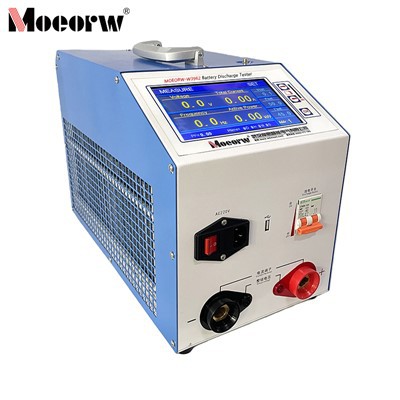
As a supplier of CT PT Analyzers, I am often asked about the various data transfer methods available for these devices. In this blog post, I will delve into the different data transfer methods used in CT PT Analyzers, their advantages, and how they can benefit your operations. CT PT Analyzer
USB Data Transfer
One of the most common data transfer methods for CT PT Analyzers is through a USB connection. USB, or Universal Serial Bus, is a widely used interface that allows for fast and reliable data transfer between the analyzer and a computer or other compatible device.
The process of transferring data via USB is relatively straightforward. First, you need to connect the CT PT Analyzer to your computer using a USB cable. Once the connection is established, the computer will recognize the analyzer as an external storage device or a serial port, depending on the specific model. You can then access the data stored on the analyzer and transfer it to your computer for further analysis.
One of the main advantages of USB data transfer is its speed. USB connections can support high data transfer rates, allowing you to quickly transfer large amounts of data from the analyzer to your computer. This is particularly useful when dealing with complex measurement data that requires detailed analysis.
Another advantage of USB data transfer is its compatibility. Most modern computers and devices are equipped with USB ports, making it easy to connect the CT PT Analyzer to a wide range of systems. Additionally, USB is a standardized interface, which means that you can use the same cable and software to transfer data from different CT PT Analyzers.
Ethernet Data Transfer
Ethernet is another popular data transfer method for CT PT Analyzers. Ethernet is a local area network (LAN) technology that allows devices to communicate with each other over a network. By connecting the CT PT Analyzer to an Ethernet network, you can transfer data to a computer or server located anywhere on the network.
To transfer data via Ethernet, you need to connect the CT PT Analyzer to a network switch or router using an Ethernet cable. Once the connection is established, the analyzer will be assigned an IP address, which allows it to communicate with other devices on the network. You can then use software on your computer to access the analyzer’s data and transfer it to your local storage.
One of the main advantages of Ethernet data transfer is its flexibility. Ethernet networks can be easily expanded to accommodate multiple devices, allowing you to connect multiple CT PT Analyzers to the same network. This is particularly useful in large-scale industrial applications where multiple analyzers need to be monitored and managed simultaneously.
Another advantage of Ethernet data transfer is its reliability. Ethernet networks are designed to provide high-speed, reliable data transfer, making them ideal for applications where data accuracy and integrity are critical. Additionally, Ethernet networks can support long-distance communication, allowing you to transfer data over large distances without significant loss of signal quality.
Wi-Fi Data Transfer
Wi-Fi is a wireless networking technology that allows devices to connect to a network without the need for cables. By using Wi-Fi, you can transfer data from the CT PT Analyzer to a computer or other compatible device without the need for a physical connection.
To transfer data via Wi-Fi, you need to ensure that the CT PT Analyzer is equipped with a Wi-Fi module and that it is connected to a Wi-Fi network. Once the connection is established, you can use software on your computer to access the analyzer’s data and transfer it to your local storage.
One of the main advantages of Wi-Fi data transfer is its convenience. Wi-Fi allows you to transfer data from the CT PT Analyzer to your computer without the need for cables, making it easy to move the analyzer around and use it in different locations. This is particularly useful in field applications where the analyzer needs to be used in remote or hard-to-reach areas.
Another advantage of Wi-Fi data transfer is its mobility. Wi-Fi networks can cover a large area, allowing you to transfer data from the CT PT Analyzer to your computer even when you are not in close proximity to the analyzer. This is particularly useful in applications where the analyzer needs to be used in different locations within a facility.
Bluetooth Data Transfer
Bluetooth is a wireless technology that allows devices to communicate with each other over short distances. By using Bluetooth, you can transfer data from the CT PT Analyzer to a computer or other compatible device without the need for a physical connection.
To transfer data via Bluetooth, you need to ensure that the CT PT Analyzer is equipped with a Bluetooth module and that it is paired with your computer or other compatible device. Once the pairing is established, you can use software on your computer to access the analyzer’s data and transfer it to your local storage.
One of the main advantages of Bluetooth data transfer is its simplicity. Bluetooth is a widely used technology that is supported by most modern computers and devices, making it easy to connect the CT PT Analyzer to your system. Additionally, Bluetooth is a low-power technology, which means that it consumes less energy than other wireless technologies, making it ideal for battery-powered devices.
Another advantage of Bluetooth data transfer is its security. Bluetooth uses encryption to protect the data being transferred, ensuring that it is not intercepted or tampered with. This is particularly important in applications where data security is critical, such as in financial or healthcare industries.
Choosing the Right Data Transfer Method
When choosing a data transfer method for your CT PT Analyzer, there are several factors to consider. These include the speed and reliability of the transfer, the compatibility of the method with your existing systems, and the cost and complexity of the implementation.
If you need to transfer large amounts of data quickly, USB or Ethernet may be the best options. These methods offer high-speed data transfer rates and are compatible with most modern computers and devices.
If you need to transfer data wirelessly, Wi-Fi or Bluetooth may be the best options. These methods offer the convenience of wireless connectivity and are ideal for applications where mobility is important.
Ultimately, the choice of data transfer method will depend on your specific needs and requirements. It is important to carefully evaluate the different options available and choose the method that best suits your needs.
Contact Us for More Information
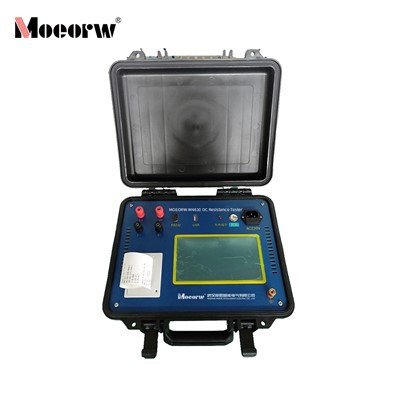
If you are interested in learning more about the data transfer methods available for CT PT Analyzers or if you have any questions about our products, please do not hesitate to contact us. Our team of experts is available to provide you with more information and to help you choose the right CT PT Analyzer for your needs.
Transformer Turns Ratio Tester We look forward to hearing from you and to helping you find the best solution for your data transfer needs.
References
- IEEE Standard for Instrument Transformers (C57.13-2016)
- IEC 61850 – Communication Networks and Systems for Power Utility Automation
- ANSI/IEEE C37.110 – Guide for the Application of Current Transformers Used for Protective Relaying Purposes
Wuhan Moen Intelligent Electric Co., Ltd.
As one of the most professional ct pt analyzer manufacturers in China, we’re featured by quality products and good price. Please rest assured to buy high quality ct pt analyzer in stock here and get quotation from our factory. Customized orders are welcome.
Address: Building A, No.1, Fenghuangyuan 2nd Road, Donghu New Technology Development Zone, Wuhan, Hubei, China
E-mail: info@hvhipotsystem.com
WebSite: https://www.hvhipotsystem.com/
