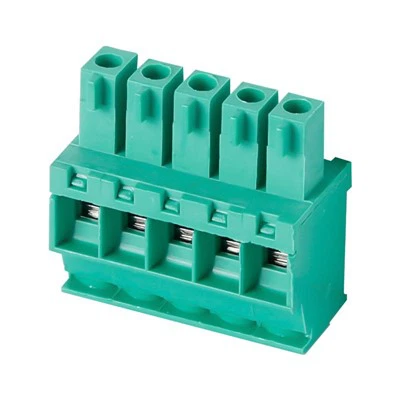
When it comes to installing a PCB screw terminal block, having the right tools is crucial for a successful and efficient process. As a supplier of PCB screw terminal blocks, I understand the importance of not only providing high – quality products but also guiding our customers on the proper installation techniques and the necessary tools. In this blog, I will delve into the essential tools required to install a PCB screw terminal block. PCB Screw Terminal Block
1. Screwdriver
The most fundamental tool for installing a PCB screw terminal block is a screwdriver. The type of screwdriver needed depends on the screw type used in the terminal block. Common screw types include Phillips – head and slotted screws.
- Phillips – head Screwdriver: Many PCB screw terminal blocks use Phillips – head screws. A Phillips – head screwdriver has a cross – shaped tip that fits into the corresponding screw head. It provides a good grip and allows for easy turning of the screw. When choosing a Phillips – head screwdriver, make sure the tip size matches the screw size precisely. Using the wrong size can damage the screw head, making it difficult to tighten or loosen the screw.
- Slotted Screwdriver: Some terminal blocks may use slotted screws, which have a single straight slot on the screw head. A slotted screwdriver with a flat tip is used to turn these screws. Similar to the Phillips – head screwdriver, the width of the tip should match the slot width of the screw.
It’s important to use a high – quality screwdriver to prevent stripping of the screw heads. A good screwdriver should have a comfortable grip and a well – made tip that can withstand the torque required to tighten the screws.
2. Pliers
Pliers are another essential tool for installing PCB screw terminal blocks. They can be used in several ways during the installation process.
- Wire Stripping: Before connecting wires to the terminal block, the insulation of the wires needs to be removed. Wire – stripping pliers are specifically designed for this purpose. They have a set of jaws with different sized holes that can cut through the insulation without damaging the wire strands. When using wire – stripping pliers, select the appropriate hole size based on the wire gauge.
- Bending and Holding Wires: Pliers can also be used to bend wires into the correct shape for insertion into the terminal block. They can hold the wires firmly in place while you tighten the screws, ensuring a secure connection. Needle – nose pliers are particularly useful for working in tight spaces and handling small wires.
3. Multimeter
A multimeter is a valuable tool for testing the electrical connection after installing the PCB screw terminal block. It can measure voltage, current, and resistance.
- Continuity Testing: After connecting the wires to the terminal block, you can use the multimeter to check for continuity. Set the multimeter to the continuity mode and touch the probes to the appropriate terminals. If there is a continuous electrical path, the multimeter will emit a beep or show a low resistance value. This helps to ensure that the wires are properly connected and there are no open circuits.
- Voltage and Current Measurement: You can also use the multimeter to measure the voltage across the terminals or the current flowing through the circuit. This is important for verifying the electrical performance of the terminal block and the connected circuit.
4. Tweezers
Tweezers are useful for handling small components and wires during the installation process. They can be used to pick up and position small screws, washers, or wires in the terminal block. Precision tweezers with a fine tip are ideal for working with delicate components.
5. Soldering Iron (Optional)
In some cases, soldering may be required to ensure a more permanent and reliable connection. A soldering iron can be used to solder the wires to the terminal block. However, this is not always necessary, as most PCB screw terminal blocks are designed for screw – based connections.
- When to Use Soldering: Soldering may be preferred in applications where there is a high – vibration environment or where a very low – resistance connection is required. Before soldering, make sure to clean the wire and the terminal block surface to ensure good solder adhesion.
- Soldering Technique: When using a soldering iron, it’s important to use the right amount of solder and apply it evenly. Over – soldering can cause short circuits, while under – soldering can result in a weak connection.
6. Mounting Tools
Depending on the type of PCB screw terminal block and the installation location, you may need additional mounting tools.
- Drill: If the terminal block needs to be mounted on a PCB or a panel, a drill may be required to create holes for the mounting screws. Make sure to use the correct drill bit size based on the screw size.
- Mounting Screws and Nuts: You will also need the appropriate mounting screws and nuts to secure the terminal block in place. The size and type of these fasteners depend on the design of the terminal block and the mounting surface.
7. Safety Equipment

Safety should always be a top priority when installing a PCB screw terminal block.
- Anti – Static Wrist Strap: When working with electronic components, an anti – static wrist strap can prevent static electricity from damaging the components. It is especially important when handling sensitive PCBs.
- Safety Glasses: Safety glasses protect your eyes from any flying debris or metal shavings that may be generated during the installation process.
Conclusion
Barrier Terminal Block Installing a PCB screw terminal block requires a combination of the right tools and proper techniques. As a supplier, we are committed to providing our customers with not only high – quality terminal blocks but also the knowledge and guidance they need for a successful installation. If you are in the market for PCB screw terminal blocks or have any questions about the installation process, we encourage you to contact us for a purchase negotiation. Our team of experts is ready to assist you in finding the best solutions for your specific needs.
References
- "Electrical Installation Handbook" by Schneider Electric
- "Practical Electronics for Inventors" by Paul Scherz and Simon Monk
Ningbo Xucheng Electronics Co., Ltd.
As one of the most professional PCB screw terminal block manufacturers in China, we’re featured by quality products and good service. Please rest assured to buy bulk customized PCB screw terminal block made in China here from our factory. Contact us for pricelist and free sample.
Address: No. 188 Huanzhen North Road, Zhenbei Industrial Zone, Xiaolin Town, Ningbo City
E-mail: Jay-xc@nb-xucheng.com
WebSite: https://www.xuchengelectronics.com/
