Titanium alloy plates are renowned for their excellent mechanical properties, corrosion resistance, and biocompatibility, making them a top choice in various industries, including aerospace, marine, and medical. One crucial factor that can influence the performance of titanium alloy plates is humidity. In this blog, as a titanium alloy plate supplier, I’ll delve into how titanium alloy plates perform under different humidity conditions. Titanium Alloy Plate

1. General Characteristics of Titanium Alloy Plates
Titanium alloy plates are made by alloying titanium with other elements such as aluminum, vanadium, and molybdenum. These alloys enhance the strength, ductility, and corrosion resistance of pure titanium. Titanium alloy plates are lightweight, with a density about half that of steel, yet they offer high strength – to – weight ratios. This makes them ideal for applications where weight reduction is critical, like in aircraft components.
2. Performance in Low – Humidity Environments
2.1 Mechanical Properties
In low – humidity environments (relative humidity less than 30%), titanium alloy plates generally maintain their mechanical properties well. The low moisture content means there is less likelihood of corrosion occurring on the surface of the plates. The strength and ductility of the titanium alloy plates remain stable over time. For example, in aerospace applications where the aircraft may fly at high altitudes with very low humidity, the titanium alloy components can operate without significant degradation in their mechanical performance.
2.2 Surface Condition
The surface of titanium alloy plates in low – humidity conditions is relatively stable. There is minimal formation of oxide layers due to the lack of moisture. This can be beneficial in applications where a smooth and clean surface is required, such as in precision machinery parts. The low – humidity environment also reduces the risk of surface contamination, which can affect the functionality of the plates.
3. Performance in Moderate – Humidity Environments
3.1 Corrosion Resistance
In moderate – humidity environments (relative humidity between 30% and 60%), titanium alloy plates still exhibit good corrosion resistance. Titanium forms a passive oxide layer on its surface, which acts as a protective barrier against corrosion. This oxide layer is self – healing, meaning that if it is damaged, it can reform in the presence of oxygen. In moderate humidity, the oxygen in the air helps to maintain and repair the oxide layer, preventing the underlying metal from corroding.
3.2 Fatigue Resistance
However, moderate humidity can have an impact on the fatigue resistance of titanium alloy plates. The presence of moisture can accelerate the initiation and propagation of fatigue cracks. When the plates are subjected to cyclic loading, the moisture can penetrate into small surface defects and cause corrosion, which weakens the material. This is a concern in applications such as bridges and automotive components, where the plates are exposed to cyclic stresses.
4. Performance in High – Humidity Environments
4.1 Corrosion Behavior
In high – humidity environments (relative humidity greater than 60%), the corrosion rate of titanium alloy plates may increase. Although titanium has good corrosion resistance, prolonged exposure to high humidity can lead to the breakdown of the passive oxide layer. Chloride ions, which are often present in high – humidity coastal areas, can also accelerate the corrosion process. Pitting corrosion may occur on the surface of the plates, which can reduce their structural integrity.
4.2 Microstructural Changes
High humidity can also cause microstructural changes in titanium alloy plates. The moisture can react with the alloying elements in the titanium, leading to the formation of new phases. These microstructural changes can affect the mechanical properties of the plates, such as their hardness and toughness. For example, in marine applications where the plates are constantly exposed to high – humidity and salt – water environments, the microstructural changes can lead to a decrease in the overall performance of the plates.
5. Strategies to Improve Performance in Different Humidity Conditions
5.1 Surface Treatment
Surface treatment is an effective way to improve the performance of titanium alloy plates in different humidity conditions. For example, applying a protective coating can enhance the corrosion resistance of the plates. Ceramic coatings or polymer coatings can act as a barrier between the metal and the humid environment, preventing moisture and corrosive agents from reaching the surface.
5.2 Alloy Selection
Choosing the right titanium alloy is also crucial. Some titanium alloys are more resistant to corrosion in high – humidity environments than others. For example, titanium alloys with higher levels of alloying elements such as molybdenum and nickel tend to have better corrosion resistance. By selecting the appropriate alloy, the performance of the plates can be optimized for specific humidity conditions.
6. Conclusion
In conclusion, the performance of titanium alloy plates is significantly influenced by humidity. In low – humidity environments, the plates maintain their mechanical properties and surface condition well. In moderate – humidity environments, while the corrosion resistance is still good, fatigue resistance may be affected. In high – humidity environments, corrosion and microstructural changes can pose challenges to the performance of the plates.
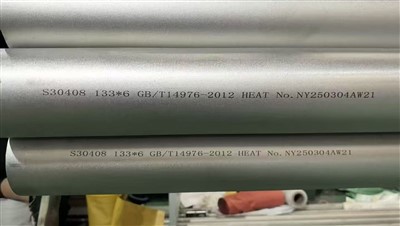
As a titanium alloy plate supplier, we understand the importance of providing high – quality products that can perform well in different humidity conditions. We offer a wide range of titanium alloy plates with various alloy compositions and surface treatments to meet the diverse needs of our customers. Whether you are in the aerospace, marine, or medical industry, we can provide you with the right titanium alloy plates for your applications.
Stainless Steel Tubing Coils If you are interested in purchasing titanium alloy plates, we encourage you to contact us for a detailed discussion. Our team of experts is ready to assist you in selecting the most suitable products for your specific requirements. We look forward to working with you to achieve your project goals.
References
- ASM Handbook Volume 2: Properties and Selection: Nonferrous Alloys and Special – Purpose Materials. ASM International.
- Titanium: A Technical Guide. Second Edition. James C. Williams. ASM International.
- Corrosion of Titanium and Titanium Alloys. R. W. Staehle, H. H. Uhlig. John Wiley & Sons.
Chengdu Shushengtai Steel Co., Ltd.
As one of the leading titanium alloy plate manufacturers and suppliers in China, our company is specialized in providing the best products and service for customers around the world. Please rest assured to buy high quality titanium alloy plate made in China here from our factory.
Address: Room 506, No. 288 Xingle Road, Xindu District, Chengdu City
E-mail: Julia@lyrfysteel.com
WebSite: https://www.lyrfy-steel.com/
