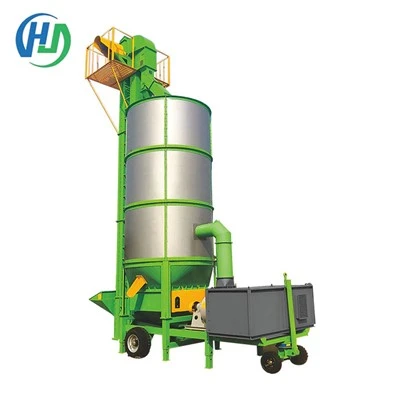
As a seasoned provider of grain drying towers, I’ve encountered numerous inquiries from farmers, grain storage facilities, and agricultural cooperatives regarding the maximum initial moisture content of grains that our drying towers can handle. This topic is paramount as the initial moisture level of grains significantly impacts the drying process, efficiency, and final quality of the dried product. In this blog post, I’ll delve into this subject, explaining the factors that influence the maximum initial moisture content our grain drying towers can manage and how we ensure optimal results for our clients. Grain Drying Tower
Understanding Grain Moisture Content
Before discussing the maximum initial moisture content our grain drying towers can handle, it’s essential to understand what grain moisture content is and why it matters. Grain moisture content refers to the amount of water present in the grain kernels, usually expressed as a percentage of the total weight. The ideal moisture content for storing most grains ranges from 12% to 14%, as this level inhibits the growth of mold, bacteria, and insects, thus preserving the grain’s quality and nutritional value.
However, freshly harvested grains often have a much higher moisture content, which can vary depending on the crop type, harvesting season, and local climate conditions. For instance, corn typically has an initial moisture content of 20% to 35%, while wheat may range from 15% to 20%. If these grains are stored at high moisture levels, they can quickly spoil, leading to significant losses for farmers and grain handlers.
Factors Influencing the Maximum Initial Moisture Content
The maximum initial moisture content that our grain drying towers can handle is determined by several factors, including the type of drying technology, tower design, airflow rate, and the specific requirements of the grain being dried. Let’s explore these factors in more detail:
Drying Technology
Our grain drying towers utilize advanced drying technologies, such as cross-flow and counter-flow drying systems, to ensure efficient and uniform drying. Cross-flow drying systems expose the grains to a continuous stream of hot air as they move through the tower, while counter-flow systems direct the hot air in the opposite direction of the grain flow. These technologies allow us to adjust the drying parameters, such as temperature and airflow rate, to accommodate different initial moisture contents and grain types.
Tower Design
The design of our grain drying towers plays a crucial role in determining their drying capacity and efficiency. Our towers are engineered with a large drying chamber and a high-quality ventilation system to ensure optimal airflow and heat transfer. This allows us to dry grains quickly and evenly, even at high initial moisture contents. Additionally, our towers are equipped with advanced control systems that monitor and adjust the drying process in real-time, ensuring consistent and reliable results.
Airflow Rate
The airflow rate is another important factor that affects the maximum initial moisture content our grain drying towers can handle. A higher airflow rate allows for faster moisture removal, which is essential for drying grains with high initial moisture contents. Our towers are designed to provide a high-volume airflow, which helps to achieve efficient drying and reduces the drying time.
Grain Type
Different grain types have different moisture absorption and desorption characteristics, which can influence the maximum initial moisture content that our drying towers can handle. For example, rice has a higher moisture content and a slower drying rate compared to wheat or corn. Therefore, our drying towers are designed to accommodate the specific requirements of each grain type, ensuring optimal drying results.
Maximum Initial Moisture Content for Different Grain Types
Based on our experience and the technical specifications of our grain drying towers, we can provide a general guideline for the maximum initial moisture content that our towers can handle for different grain types:
Corn
Our grain drying towers can handle corn with an initial moisture content of up to 35%. However, the actual drying time and energy consumption will depend on the specific drying conditions and the desired final moisture content. For example, if you want to dry corn from 35% to 14% moisture content, it may take longer compared to drying corn from 25% to 14% moisture content.
Wheat
For wheat, our drying towers can handle an initial moisture content of up to 20%. The drying process for wheat is relatively faster compared to corn, as wheat has a lower moisture content and a higher drying rate. However, it’s important to note that the drying temperature and airflow rate should be carefully controlled to prevent damage to the wheat kernels.
Rice
Rice is a more delicate grain compared to corn and wheat, and it requires a more gentle drying process. Our grain drying towers can handle rice with an initial moisture content of up to 25%. To ensure the quality of the dried rice, we recommend using a lower drying temperature and a longer drying time.
Ensuring Optimal Drying Results
At our company, we understand that every client has unique requirements and challenges when it comes to grain drying. That’s why we offer customized solutions and expert support to ensure optimal drying results for our clients. Here are some of the steps we take to ensure the best possible performance of our grain drying towers:
Pre-Drying Evaluation
Before installing our grain drying tower, our team of experts will conduct a thorough evaluation of your grain storage and drying needs. This includes assessing the type and quantity of grains you need to dry, the initial moisture content of the grains, the available energy sources, and your budget. Based on this evaluation, we will recommend the most suitable drying tower and drying parameters for your specific requirements.
Customized Design
We offer a range of grain drying towers with different capacities and features to meet the diverse needs of our clients. Our engineers will work closely with you to design a customized drying tower that is tailored to your specific requirements. This includes selecting the appropriate drying technology, tower size, and ventilation system to ensure efficient and uniform drying.
Training and Support
We provide comprehensive training and support to our clients to ensure that they can operate and maintain our grain drying towers effectively. Our training programs cover topics such as tower operation, maintenance, troubleshooting, and safety procedures. Additionally, our technical support team is available 24/7 to assist you with any questions or issues you may encounter.
Quality Assurance
We are committed to providing high-quality grain drying towers that meet the highest standards of performance and reliability. Our products are manufactured using the latest technologies and the finest materials, and they undergo rigorous testing and quality control procedures before leaving our factory. We also offer a warranty on our products to give you peace of mind.
Conclusion
In conclusion, the maximum initial moisture content that our grain drying towers can handle depends on several factors, including the type of drying technology, tower design, airflow rate, and the specific requirements of the grain being dried. While our towers can handle high initial moisture contents, it’s important to note that the drying time and energy consumption will vary depending on the specific drying conditions and the desired final moisture content.
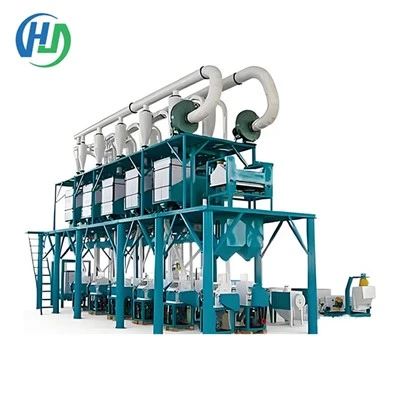
Wheat Processing Equipment If you are looking for a reliable and efficient grain drying solution, we invite you to contact us to discuss your specific requirements. Our team of experts will be happy to provide you with a customized solution and expert support to ensure optimal drying results for your grains. Whether you are a small-scale farmer or a large grain storage facility, we have the experience and expertise to meet your needs.
References
- ASAE Standards. (2018). Drying and Storage of Agricultural Crops. ASABE.
- Beckman, D. (2017). Grain Drying Handbook. Kiron University.
- Woods, J. L., & Smith, D. T. (2019). Postharvest Handling of Cereal Grains. John Wiley & Sons.
Henan Huinong Machinery Co., Ltd.
Henan Huinong Machinery Co., Ltd. is one of the most professional grain drying tower manufacturers and suppliers in China, featured by quality products and low price. Please rest assured to buy discount grain drying tower from our factory. We also accept customized orders.
Address: No. 6, Northeast Corner of the Intersection of Renmin Road and Zhujiang Road, New District, Huaxian County, Henan Province
E-mail: frank.tang@huinongmachinery.com
WebSite: https://www.huinongmachinery.com/
