When I first started out as a fireproof board supplier eight years ago, the most common question I heard from homeowners wasn’t about how our products work—it was about cost. “I love the idea of fireproofing my home,” a homeowner in Ohio told me once, standing in front of a stack of our standard fire-rated gypsum boards at a local home show. “But I can barely afford my utility bills. Is this stuff really for people like me?” That conversation stuck with me, because it’s not the kind of skepticism that comes from not caring about safety—it’s the kind that comes from needing to stretch every dollar. Today, I want to break down whether fireproof board is actually affordable for home use, based on what I’ve learned working directly with both suppliers and homeowners over thousands of projects. Fireproof Board
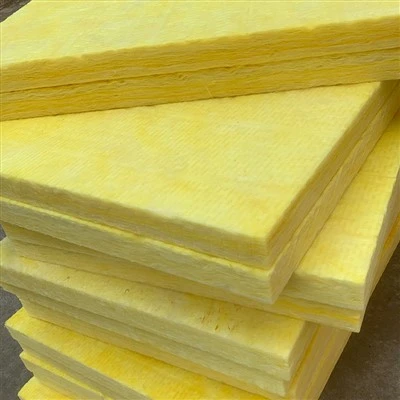
First, let’s get one myth out of the way: fireproof board isn’t the same as the fancy, industrial-grade panels you see in office buildings or high-rise apartments. Those heavy-duty, 2-hour fire-rated panels can cost two or three times as much as standard building materials, and they’re overkill for most residential spaces. For homes, the right fireproof board is designed for everyday use—think 30-minute or 1-hour fire ratings, which are more than enough to give firefighters and family members critical time to escape in an emergency, without the price tag that comes with heavy industrial materials.
Let’s talk numbers, because that’s what everyone cares about. A standard 4-foot by 8-foot sheet of our residential-grade fireproof gypsum board, the most popular product for home use, costs between $12 and $20 today. Compare that to a standard non-fire-rated gypsum board, which runs about $9 to $15 per sheet. At first glance, that’s a $3 to $5 difference. But wait—let’s do the math on a typical 1,500-square-foot home, where you’d use about 100 sheets of drywall for interior walls and ceilings. If you opted for our fireproof board, that’s a total difference of $300 to $500 for the entire house. That’s less than the cost of a new refrigerator for most people, and it’s a one-time expense that can save you thousands (or more) in potential damage if a fire breaks out.
But here’s where most homeowners don’t stop: they assume there are hidden costs beyond the sheet price. Let’s address those, because they’re real, and they can change the overall affordability. First, installation. Does fireproof board require special tools or labor? For most professional drywall installers, no. Our residential panels are the same weight and size as standard drywall, so the time it takes to hang, tape, and finish them is almost identical. I’ve worked with hundreds of homeowners who installed it themselves, too—there’s no special training needed beyond what you’d use for regular drywall. The only minor difference is that some installers charge a small premium ($0.50 to $1 per square foot) for fire-rated work, but that’s usually only if they have to submit paperwork for local building codes. For most homes, that premium is negligible, adding a few hundred dollars to the total project cost, not thousands.
Another big hidden cost many homeowners overlook: insurance. I can’t tell you how many times I’ve had a customer tell me their home insurance premium dropped by 10% to 15% after they installed fireproof board. Most insurance companies see fire-resistive building materials as a way to reduce their risk of a total loss, so they offer discounts on annual premiums. Let’s do that math too: if your annual home insurance is $1,200, a 10% discount is $120 a year. That means you’ll recoup that $300 to $500 difference in about three to four years, and then you’re saving money every year after that. On top of that, if a small fire does break out, fireproof board limits the spread of flames to one room, so the damage is way less than if standard drywall had burned through quickly. I had a customer in Chicago last year who had a kitchen fire from a faulty toaster. The fire only spread to the adjacent dining room walls, which were our fireproof board, and the total repair cost was $8,000. If the walls had been standard drywall, the fire would have spread to the living room and upstairs, costing an estimated $50,000. That’s a difference no price tag can put on, but it’s a real cost saving.
Now, let’s talk about different types of fireproof board, because not all are created equal—and some are actually more affordable than you think. The two main types for home use are fire-rated gypsum board (the most common, which I already mentioned) and cement-based fireproof board, which is used in high-moisture areas like bathrooms, basements, or garages. Cement-based boards are a bit more expensive, running $18 to $28 per 4×8 sheet, but they also do double duty: they’re water-resistant, so you don’t have to pay for separate moisture protection in bathrooms. That means you’re combining two material costs into one, which balances out the price. For example, a bathroom that would need standard drywall, a moisture barrier, and then a backer board for tiles can use cement fireproof board as the only core material, saving you $100 to $200 in material costs for that small space.
There’s also the option of reclaimed fireproof board, which is a great budget pick for homeowners on a tight budget. Many commercial buildings renovate and discard perfectly good fire-rated gypsum board that’s only had light use, and we source some of these for our own “value line” product. Our reclaimed fireproof board is tested and certified to still meet residential fire safety standards, and it costs about $8 to $12 per sheet—less than even new standard drywall. We work with Habitat for Humanity ReStores and local demolition crews to source these panels, and we’ve helped hundreds of homeowners cut their material costs in half without sacrificing safety. The only thing to note with reclaimed is that it might have small dents or marks from prior use, but that’s easy to cover with paint or texture, just like standard drywall.
But let’s be honest—affordability isn’t just about upfront costs. It’s about long-term value, and that’s where fireproof board really shines. I had a senior customer in Texas a few years back, on a fixed income, who was renovating her small home to age in place. She told me she couldn’t afford any extra expenses beyond what was absolutely necessary, but she was worried about fire because she cooked every day and had space heaters. We worked out a plan: she only used fireproof board on the walls around the kitchen and the hallway leading to her bedrooms, instead of the entire house. That cut her material cost in half, to about $150 total, and it still gave her the critical protection she needed. She ended up saving for five years to put a new roof on, and that $150 spent on fireproof board was the only “luxury” expense in her renovation. That’s the kind of flexibility fireproof board offers—you don’t have to do the whole house at once, you can pick the most high-risk areas first, and stay within your budget.
Of course, I also hear the counterarguments, and I take them seriously. Some homeowners say they can’t afford fireproof board because they’re already stretched thin on a mortgage, or they have other home repairs they need to do first. I get that. That’s why we offer flexible payment plans for bulk orders, and we work with local contractors who offer discounted labor for low-income homeowners and first-time buyers. We also provide free samples, so you can test the material yourself without spending a dime, and we can help you put together a custom quote based on the size of your space and your budget.
Another point I’ve noticed over the years: many homeowners don’t realize that fire safety isn’t a one-time cost. Every time you add a new addition, renovate a room, or replace your drywall, you’re making a choice that will affect your home’s safety and your wallet long-term. If you’re already putting in new drywall during a renovation, adding fireproof board isn’t an extra expense—it’s a small adjustment to your existing budget. For example, if you’re redoing your basement this year, and you were going to buy $1,000 worth of standard drywall, adding fireproof board only adds $200 to that total, which is a tiny fraction of the overall renovation cost.
Wait, let’s also address a common misconception about aesthetics. A lot of people think fireproof board is ugly, or that it can’t be painted or decorated like standard drywall. That’s not true. Our residential fireproof board has the same smooth finish as standard drywall, it takes paint, texture, and wallpaper exactly the same way, and it comes in the same sizes and profiles. You can’t tell the difference between our fireproof board and standard drywall once it’s hung and painted, so you don’t have to sacrifice style for safety. That’s a big one for homeowners who care about the look of their home as much as the cost.
Let’s wrap this up with a real example from our customer base. Last year, we worked with a young couple in Florida who were buying their first home, a 1,200-square-foot fixer-upper. Their total home renovation budget was $10,000, and they had $2,000 set aside for materials. They were torn between replacing the old drywall with standard drywall for $1,200, or putting in fireproof board for $1,500. They chose fireproof board. Three years later, they sent us a message saying they’d had a small fire in the attic from an old wiring issue. The fire spread to the ceiling, which was our fireproof board, and stopped there. The total repair cost was $3,000, compared to the estimate their insurance agent gave them of $12,000 if the ceiling had been standard drywall. They told us the extra $300 spent upfront was the best investment they’d ever made in their home.
So, to answer the original question: yes, fireproof board is affordable for home use, when you look beyond the per-sheet price and consider the long-term savings, insurance discounts, and the flexibility to pick and choose where to install it. It’s not a luxury product—it’s a safety product that fits into most home budgets, even on tight incomes. The key is working with a supplier who understands residential needs, not just industrial projects, and who can help you find the right product for your space and your budget.
If you’re ready to learn more about how fireproof board can fit your home, or if you’d like a custom quote for your project, feel free to reach out to us to discuss your needs. We’re here to help you make a safe, affordable choice for your family.
Fireproof Board Series References
- National Fire Protection Association. (2023). Home Structure Fires: Overview of US Fire Statistics. NFPA Journal.
- Insurance Information Institute. (2022). Home Insurance Discounts for Home Safety Features. III Research Bulletin.
- International Code Council. (2021). Residential Fire-Resistive Building Materials Standards. ICC Building Code Updates.
- US Department of Housing and Urban Development. (2023). Affordable Safety Upgrades for Single-Family Homes. HUD Office of Community Planning and Development.
- Fire Marshal’s Association of North America. (2022). Cost-Benefit Analysis of Residential Fireproofing Measures. FMANA Technical Report.
Langfang Aolesi Thermal Insulation Materials Co., Ltd.
As one of the most professional fireproof board manufacturers and suppliers in China, we also support customized service. Please feel free to buy bulk high quality fireproof board made in China here from our factory. For pricelist, contact us now.
Address: Dongwang Village, Dacheng County, Langfang City, Hebei Province
E-mail: Lfaolesibaowen@outlook.com
WebSite: https://www.lfaolesi.com/
