Yo, what’s up everyone! I’m a supplier in a Special Industry Chain, and today I’m stoked to chat with you about the advantages of being part of this kind of chain. Special Industry Chain

First off, let’s talk about specialization. In a Special Industry Chain, everyone focuses on a specific niche. That means we’re all experts in our own little corners of the industry. For me, as a supplier, I can really dig deep into the products I offer. I don’t have to spread myself thin trying to cover a whole bunch of different things. I can focus on perfecting my products, making them the best they can be. This specialization leads to higher – quality goods. When you have a bunch of specialists working together, the end result is a product or service that’s top – notch.
Take, for example, the tech industry. There are chains dedicated to making smartphone components. Each supplier in the chain is an expert in something specific, like making microchips, or designing screens. Because they’re so focused, they can keep up with the latest technologies and trends. They can innovate faster and create products that are better, smaller, and more efficient.
Another huge advantage is efficiency. In a Special Industry Chain, the flow of materials and information is super smooth. Since everyone knows their role, there’s less confusion and fewer delays. I know exactly when I need to deliver my products to the next link in the chain, and they know what to expect from me. This kind of synchronization is like a well – oiled machine. It saves time and money for everyone involved.
Think about a car manufacturing chain. There are suppliers for parts like engines, tires, and seats. If each supplier is on top of their game, the car can be assembled quickly and without any major glitches. There’s no waiting around for parts that are out of stock or dealing with miscommunications. This efficient process means that cars can be produced in larger quantities at a lower cost, which is great news for both the manufacturers and the consumers.
Cost – effectiveness is also a big deal. When you’re part of a Special Industry Chain, you can benefit from economies of scale. Since we all work together towards a common goal, we can buy raw materials in bulk. This usually means getting better prices from suppliers. As a supplier in the chain, I can pass on some of those savings to my customers. This makes our products more competitive in the market.
For instance, in the food packaging industry chain, suppliers can group their orders for materials like cardboard and plastic. By buying in large quantities, they can negotiate better prices from the material suppliers. This reduces the overall cost of making the packaging, and in turn, the food companies can offer products at more affordable prices to the consumers.
Innovation is another plus. In a Special Industry Chain, the close collaboration between different suppliers and manufacturers encourages new ideas. We’re all in this together, so we’re constantly sharing knowledge and expertise. I often get great suggestions from my customers or other suppliers in the chain. These ideas can lead to new product features or improved manufacturing processes.
Let’s look at the fashion industry chain. Designers, fabric suppliers, and manufacturers work closely together. The fabric suppliers might come up with new materials, and the designers can use these to create unique clothing styles. The manufacturers can then develop more efficient ways to produce these new designs. This continuous cycle of innovation keeps the industry fresh and exciting.
Now, let’s talk about risk management. In a Special Industry Chain, we can share and manage risks more effectively. For example, if there’s a problem with the supply of a certain raw material, the chain members can work together to find a solution. Maybe one supplier can source the material from a different place, or we can all adjust our production schedules.
In the energy industry chain, if there’s a disruption in oil supply, the chain can respond by increasing the use of alternative energy sources or adjusting consumption. This means that the impact of the disruption is minimized across the whole chain, rather than hitting one company really hard.
As a supplier in the Special Industry Chain, I’ve also noticed that there’s a stronger sense of community. We all rely on each other for success, so we build strong relationships. When I have a problem, I can reach out to my partners in the chain, and they’re usually more than willing to help. This kind of support network is invaluable. It can help us overcome challenges and grow together.
In addition to these advantages, being part of a Special Industry Chain also gives us better access to markets. Since we’re part of a well – connected network, we can reach more customers. Our products can be part of a larger, more well – known brand, which gives them more visibility. Customers are more likely to trust products that are part of a reliable industry chain.
For example, in the beauty industry, a small supplier of natural ingredients can get their products into high – end cosmetics brands through the industry chain. This exposes their products to a much larger customer base and can lead to increased sales and growth.
If you’re in the market for the products I offer, or if you’re interested in getting involved in our Special Industry Chain, I’d love to chat with you. I’m always open to new business opportunities and partnerships. Whether you’re a manufacturer looking for high – quality supplies, or a startup trying to break into the market, I can help you. Just reach out, and we can start a conversation about how we can work together to achieve our goals. It could be the start of a great business relationship that benefits us both.
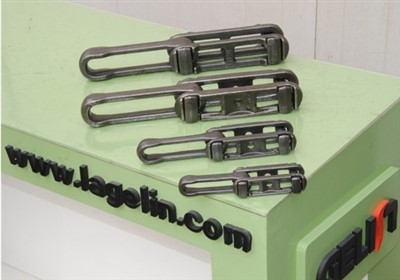
In conclusion, the Special Industry Chain offers a ton of advantages, from specialization and efficiency to cost – effectiveness, innovation, risk management, community support, and market access. It’s a great way for businesses to thrive in today’s competitive world. So, if you’re thinking about getting involved in a supply chain, a Special Industry Chain might just be the way to go. Don’t hesitate to get in touch if you want to learn more or discuss potential collaborations.
Chain References
- Porter, M. E. (1990). The competitive advantage of nations. Free Press.
- Powell, W. W. (1990). Neither market nor hierarchy: Network forms of organization. Research in organizational behavior, 12(1), 295 – 336.
Zhejiang Hangte Chain Transmission Co., Ltd.
We are one of the most experienced special industry chain manufacturers and suppliers in China since 1999. Please rest assured to buy high quality special industry chain made in China here from our factory. If you have any enquiry about cooperation, please feel free to email us.
Address: No. 195 Qinglin East Street, Qingshan Lake Subdistrict, Lin’an District, Hangzhou City, Zhejiang Province
E-mail: hangtechain@gmail.com
WebSite: https://www.chinahtchain.com/
