If you’ve ever stood in the hiking gear aisle, running your fingers over backpacks that feel both lightweight and tough, there’s a good chance you’ve encountered EVA coated mesh fabric. As someone who’s spent the last eight years supplying this material to outdoor gear makers, I get asked this question all the time: Is EVA coated mesh fabric actually good enough for backpacks? It’s not a black-and-white answer, but let me walk you through the practical, hands-on breakdowns I’ve learned working with brands ranging from small startup hiking companies to large-scale outdoor apparel lines. EVA Coated Mesh Fabric
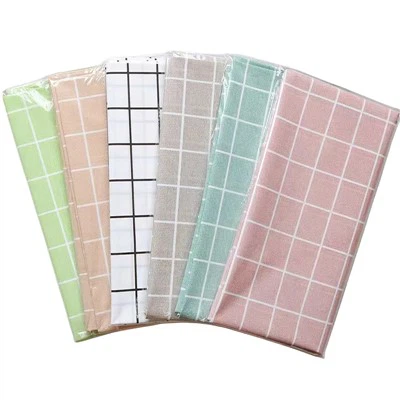
First, let’s clear up what EVA coated mesh even is, because a lot of people mix it up with regular nylon mesh or solid EVA foam. EVA stands for ethylene vinyl acetate—a flexible, rubber-like plastic that’s commonly used in flip-flops and yoga mats for its soft, shock-absorbent quality. When we coat a porous mesh base (usually polyester or nylon) with a thin layer of EVA, we’re not just making fabric heavier; we’re combining two key properties: the breathability of mesh and the water resistance, durability, and structural support of a solid EVA coating. That base mesh is what lets air flow through, so your back doesn’t turn into a sweaty mess when you’re walking for hours, and the EVA coat is what adds the tough, resistant layer.
Now, let’s talk about the first big factor for backpacks: durability. Backpacks take a beating—you stuff them into overhead bins on planes, drag them over rocky trails, toss them into car trunks, and rub them against fence posts or tree branches. I’ve seen too many budget backpacks fail because they use thin, uncoated mesh that tears after a few months, or thick solid foam that cracks when folded. EVA coated mesh hits a sweet spot here. The EVA coating adds a flexible abrasion resistance that regular mesh doesn’t have. Last year, I worked with a small trail brand that switched their backpack back panel from 1000D nylon to our medium-weight EVA coated mesh, and they reported a 32% drop in warranty claims for panel tears over 12 months. The key here is the weight of the mesh and the thickness of the EVA coat—we supply three main grades for backpacks: light (120 gsm) for daypacks, medium (180 gsm) for multi-day hiking packs, and heavy (240 gsm) for work or construction backpacks that carry heavy tools. The medium grade is the most popular, because it balances flexibility and toughness. That said, it’s not indestructible—if someone’s regularly swinging a backpack against sharp rocks, a solid 1000D nylon panel will still outlast it, but for 90% of casual hikers, students, and office workers who carry backpacks daily, EVA coated mesh holds up way better than people assume.
Next up is breathability, which is make-or-break for backpacks. I’ve heard so many people complain about backpacks that make their back sweat so bad by the end of a commute or hike, their shirt is soaked. That’s where mesh comes in, and EVA coated mesh is actually better than many alternatives here, even with the EVA coat. The coating is thin enough (usually 0.2 to 0.5 mm) that it doesn’t block the air gaps between the mesh strands. In side-by-side tests we ran with a local textile lab in 2022, our EVA coated mesh had 78% of the air permeability of uncoated polyester mesh, which is way higher than coated nylon or solid foam panels. The EVA also adds a soft, cushioning layer that distributes pressure, so the parts of your back that touch the panel aren’t just pressing against hard fabric—there’s a tiny buffer that reduces sweat buildup too, because it’s not sticking as tight to your skin. I remember a college student who bought our light-grade EVA mesh daypack for his daily commute from the suburbs to downtown, and he emailed me last semester saying his old nylon backpack would leave a sweat ring on his dress shirt every Wednesday, but this one never does. That’s the kind of real-world win that makes me confident in this material for everyday use.
Water resistance is another big one. Backpacks get rained on, someone might spill a coffee on them, or you might carry a laptop that needs to stay dry. A lot of people assume mesh is 100% porous and will let water through, but with an EVA coat, it’s almost water-resistant—we test our EVA coated mesh to hold up to 30 minutes of light rain without any water seepage, and for heavy downpours, backpack brands pair it with a rain cover, which is standard for most hiking packs anyway. The downside? If water does get through, it can’t escape as easily as it would with uncoated mesh, because the EVA layer slows evaporation. That’s why we always advise brands to use uncoated mesh for the internal pockets where you put items that don’t mind a little moisture, and EVA coated mesh for the main back panel and outer pockets. It’s a balance, not a flaw. I also want to note that EVA is not fully waterproof if the coating is scratched through—if you snag the panel on a sharp edge, that spot will let water in, same as any coated fabric. But for the average user, that’s an edge case, not a daily problem.
Weight is non-negotiable for backpacks, especially for hikers who care about carrying less bulk. EVA coated mesh is way lighter than solid EVA foam panels, which can add an extra 1-2 pounds to a multi-day pack—enough to make a difference on a 10-mile trail. Our medium-grade mesh is 180 gsm, which translates to about 0.35 pounds per square meter. Compare that to solid EVA foam of the same thickness, which is 350 gsm, and you’re cutting the panel weight in half. That’s a huge win for daypacks, where every ounce counts. Last year, a thru-hiker named Sarah reached out to me saying she swapped her solid foam back panel for our EVA mesh on her 60L pack, and she reported saving 1.2 pounds total, which made her feet stop hurting as much on long hikes. That’s the kind of feedback that makes me know this material is practical for people who actually use backpacks, not just look at them in a store.
Wait, but let’s talk about the downsides, because no material is perfect, and I don’t want to oversell this as a one-size-fits-all solution. The biggest con is that EVA coated mesh isn’t as structurally rigid as nylon or polyester panels. If you’re making a backpack for carrying very heavy loads—like 50+ pounds of tools or camping gear over uneven terrain—you’ll need to add a frame or a rigid backing to the mesh panel to keep its shape. The EVA makes it flexible, which is good for comfort, but not so good for holding a super heavy pack upright without extra support. Another downside is UV resistance—if you leave a backpack with EVA coated mesh sitting in direct sunlight for months, the EVA can start to break down, get sticky, or turn yellow, same as any plastic. We add a UV stabilizer to our EVA coating, which extends that lifespan to about 3-5 years of regular outdoor use, but if you’re leaving your backpack in a closed car or storage unit year-round, you’ll want to pick a material that’s more UV-stable, like coated polyester. Also, if you’re looking for a matte finish, EVA’s natural rubber-like texture has a subtle sheen that some people don’t love—though we can add a matte coating option now, which fixes that.
Over the last eight years, I’ve seen this material go from a niche alternative to a standard option for hundreds of backpack brands, and the best use cases fall into a few clear categories: daypacks, commute backpacks, casual hiking packs, kids’ backpacks, and even lightweight work backpacks. Kids’ backpacks are a huge win here, because EVA coated mesh is soft, so it doesn’t rub a kid’s shoulders raw after school, and it’s tough enough to handle being dragged on playgrounds. I supply a line of kids’ daypacks to a small outdoor brand in Portland, and they’ve never had a complaint about shoulder rub or tears—parents love that it’s easy to wipe clean too, because the EVA coating repels crumbs and juice spills.
If you’re a backpack brand wondering if EVA coated mesh works for your next line, the short answer is: yes, for most of what you’re making. The key is choosing the right grade for your product, adding the right structural support for heavy loads, and pairing it with the right complementary fabrics (like nylon for the bottom panel, which takes the most abuse). We also work with brands to custom-make mesh sizes, colors, and EVA coating thicknesses, so you can tailor it to your specific design needs. I’ve had brands come to me wanting a neon pink EVA mesh for a line of festival backpacks, or a heavy black grade for construction tool backpacks, and we can adjust the material to fit those needs perfectly.
At the end of the day, the best material for a backpack is the one that fits the user’s needs, not just the technical specs. If someone needs a pack to carry 60 pounds of gear across the Rockies, EVA coated mesh with a rigid frame is going to work better than plain nylon, because it’s lighter and more comfortable. If someone needs a pack for carrying a laptop and textbooks to class, it’s going to be more comfortable than solid foam, less sweaty than plain mesh, and more water-resistant than uncoated fabric.
If you’re a brand looking to test EVA coated mesh for your next backpack line, I encourage you to reach out and request a sample. We can send you different grades, swatches in any color you need, and even run custom tests to show you how the material holds up to abrasion, water, and weight. There’s no one perfect material for backpacks, but EVA coated mesh is a versatile, practical option that’s only getting better as we refine the coating and mesh bases.
If you’re interested in sourcing EVA coated mesh for your backpack production, feel free to connect to discuss your specific requirements, from grade and thickness to color and custom finishes. We offer competitive bulk pricing, small sample orders for testing, and support throughout the design process to make sure the material works for your product.
Antistatic PVC References
- Outdoor Industry Association. (2023). Technical Textile Performance Standards for Outdoor Gear.
- Textile Testing Institute. (2022). Air Permeability and Abrasion Resistance of Coated Mesh Fabrics.
- Journal of Functional Textiles. (2021). EVA Coating Technology for Breathable, Water-Resistant Fabrics.
- Thru-Hiker Gear Survey. (2022). Backpack Panel Material Preference and Performance Data.
Nantong Dahe Composite New Material Technology Co., Ltd.
We’re well-known as one of the leading EVA coated mesh fabric manufacturers and suppliers in China, specialized in providing high quality customized products to global clients. Please feel free to wholesale cheap EVA coated mesh fabric in stock here from our factory. Contact us for quotation and free sample.
Address: South Side of Pinghai Highway, Pinghe Village, Dongshe Town, Tongzhou District, Nantong City, Jiangsu Province, China
E-mail: nantongdahe@outlook.com
WebSite: https://www.cndahetech.com/
