If you’ve ever wondered how to wrap up the life of a portable solar panel you’ve used for camping trips, off-grid work, or emergency power setups, you’re not alone. As a portable solar panels supplier, I field this question every week—mostly from folks who’ve held onto a panel for years, noticed it’s not charging as well as it used to, and aren’t sure if tossing it in the trash is the right move. The short answer? It’s not. Portable solar panels are built with materials that don’t break down easily in landfills, and improper disposal can leach harmful chemicals into the soil and water. But figuring out the right way to dispose of one depends on a few key factors: the panel’s condition, where you live, and what’s made inside it. Let’s break this down like we do with our customers—no jargon, just real, actionable steps that work. Portable Solar Panels
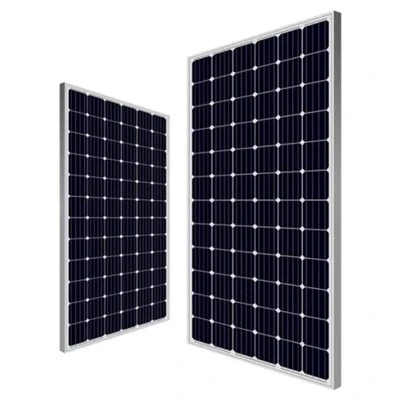
First, let’s talk about when a portable solar panel actually needs disposing of, versus when it can get a second life. I’ve seen people write off a panel because it’s a little scuffed or charges 10% slower than it did when new, but that’s rarely a reason to recycle or discard. Portable panels are tough—we design ours to handle rain, dust, and being tossed in a car trunk. If your panel has a cracked frame but the solar cells still work, you can usually replace the damaged parts ourselves, or use it as a backup for low-power needs like charging a phone. A panel with dead cells (no power output at all, even after cleaning) or frayed wiring that can’t be repaired? That’s when it’s time to think about disposal.
Once you know it’s time to move on, the easiest first step is to check for local e-waste recycling programs. Most cities and towns have designated drop-off points for electronics like old phones, laptops, and yes, solar panels, because these programs are set up to handle the hazardous materials inside. Portable solar panels have things like lead, cadmium, and sometimes small amounts of mercury in their junction boxes, batteries (if they’re integrated with a small storage unit), and even the solar cells themselves. Tossing these in the regular trash means those materials will seep into landfills over time, which isn’t just bad for the environment—it can also violate local waste rules that penalize improper disposal of e-waste.
As a supplier, we partner with national e-waste networks that accept portable solar panels, but I always tell customers to start local first. Many community recycling centers offer free or low-cost drop-offs for small electronics, and some even have specific bins for solar gear. The EPA’s website has a tool to find local e-waste facilities, and I’ve walked customers through it dozens of times—it’s as simple as entering your zip code and searching for “solar panel recycling.” One thing to note: some programs only accept larger panels (like rooftop ones), so call ahead to confirm they handle portable models. We’ve had customers drive 20 minutes out of their way because a local center said they couldn’t take small panels, so a quick phone call saves time.
If you can’t find a local e-waste program that works for you, the next option is to take it back to the manufacturer or a specialized solar retailer. That’s where we come in—we offer a take-back program for our portable solar panels, no matter how old they are. We know how hard it is to track down a recycling spot for a small, portable panel, so we make it easy: just ship it to our facility, and we’ll handle the rest of the recycling process, which includes extracting usable materials like aluminum (from the frame) and silicon (from the solar cells) to make new products. It’s a small effort for you, but it keeps hazardous materials out of landfills. Other major solar brands do similar programs, so even if your panel isn’t from our company, many retailers will accept old panels for a small fee (usually $10-$20) to cover the cost of proper recycling.
Wait a second—what if your panel has an integrated battery? A lot of our portable solar panels include small lithium-ion batteries for off-grid storage, and that changes things a little. Lithium-ion batteries are a separate e-waste item, so you can’t just toss the whole panel in a standard e-waste bin. For panels with built-in batteries, we recommend disconnecting the battery first (our customer support team walks you through this step-by-step for free) and then recycling the battery separately at a battery-specific drop-off. Most auto parts stores and hardware stores (like Home Depot or Lowe’s) have battery recycling bins, and they’ll accept lithium-ion batteries from portable panels. Once the battery is removed, the rest of the panel (the solar cells, frame, wiring) can go to a general e-waste center. This extra step keeps the battery’s flammable and toxic materials from causing issues during recycling.
Now, what if you’re tempted to sell or donate your old panel before disposing of it? That’s a great option, as long as it’s still functional. I’ve had customers sell a 5-year-old panel for $30-$50 on Facebook Marketplace or Craigslist, because someone might need it for a weekend camping trip or a small shed that doesn’t need a lot of power. If it’s not functional but still has intact parts, you can even list it for parts—many people repair portable solar panels themselves by replacing broken cells or wiring. Donating it is another win: local nonprofits that support low-income housing, community gardens, or emergency preparedness programs often need cheap power solutions for their projects. We’ve donated hundreds of used (but still working) panels to groups that set up charging stations for disaster relief, and that’s a way to give your old gear a purpose instead of letting it go to waste.
I do want to address a common question I get: can I just break down the panel myself and recycle the parts? It seems like a DIY way to avoid shipping or drop-off hassles, but I caution against it. The solar cells are brittle, and the chemicals inside can release dust if you break them open without proper protection. You also risk damaging the wiring, which can have exposed copper that’s sharp enough to cut. Unless you’re a trained e-waste technician, it’s safer to leave the disassembly to professionals who have the gear to handle hazardous materials. Trying to break it down at home can lead to injury or improper handling of toxins, which is why we always push for professional recycling.
What about the cost? A lot of people worry that recycling a portable solar panel will be more expensive than buying a new one, but that’s not usually the case. Local e-waste drop-offs are often free for small electronics, and our take-back program only charges $15 to cover shipping and recycling costs. Compare that to the $100-$300 you’d spend on a new panel, and it’s a small fee for the peace of mind that you’re not harming the environment. Some areas even offer free recycling for portable solar panels through municipal programs, so it’s always worth checking first before paying for a take-back service.
Let’s also talk about the environmental impact of improper disposal. One single portable solar panel might seem small, but when you multiply it by the millions of panels that are sold every year, it adds up. The International Energy Agency estimates that by 2050, there could be 78 million tons of solar panel waste globally, and most of that will be from portable panels. Tossing one in the trash means those materials aren’t being reused, which requires mining new minerals and creating extra carbon emissions. By choosing to recycle or donate your old panel, you’re cutting down on mining, reducing landfill waste, and supporting a circular economy for solar products. That’s a big deal, especially for a company like ours that’s focused on making renewable energy accessible without hurting the planet.
I’ve had a few customers over the years who tried to ignore the problem, and their panels ended up in landfills—and they’ve come back to me later to apologize. It’s not that they didn’t care, they just didn’t know what else to do. That’s why we make it a point to include disposal instructions with every panel we sell, and to reach out to customers when their panel is coming up on the end of its lifespan to remind them of their options. We don’t want our products to become waste—we want them to keep working, even after their first use.
So, to wrap this up (no pun intended), here’s the simple checklist for disposing of a portable solar panel: first, assess if it’s still functional—if it is, sell or donate it. If it’s not, check for local e-waste drop-offs (start with the EPA’s tool) that accept portable models. If you can’t find a local spot, use the manufacturer’s take-back program (ours is available for all our panels, no matter the age) or a specialized solar retailer. If it has a built-in battery, disconnect it first and recycle it separately at a battery drop-off. Skip the DIY breakdown to avoid injury and improper handling. And always remember—this small step makes a big difference for the planet.

If you’re a business or organization looking for a reliable, eco-friendly portable solar panel solution, or if you have questions about our take-back program, don’t hesitate to reach out to our team. We’re here to help you choose the right panel for your needs and ensure that when it’s time to dispose of it, you have a clear, responsible path forward. We’re not just a supplier of portable solar panels—we’re a partner in sustainable power, and we’re always happy to walk you through every step.
Portable Solar Panels References
- U.S. Environmental Protection Agency. "E-Waste and Batteries: Proper Disposal Tips." https://www.epa.gov/electronics-waste
- International Energy Agency. "Solar PV Outlook: Waste Management and Recycling." https://www.iea.org/reports/solar-pv-outlook
- Solar Energy Industries Association. "Guide to Solar Panel Recycling and Disposal." https://www.seia.org/solar-panel-recycling
- National Waste and Recycling Association. "Portable Electronics Recycling Guidelines." https://www.nwra.org/recycling-guidelines/
Dongguan MylAn International Trade Co., Ltd.
As one of the most professional portable solar panels manufacturers and suppliers in China, we’re featured by quality products and good price. Please rest assured to buy advanced portable solar panels in stock here from our factory. Welcome to contact us for pricelist.
Address: Room 401, Building 5, No.7, Machong Section, Shuixiang Avenue, Machong Town, Dongguan City, Guangdong Province
E-mail: salee@mylansolar.com
WebSite: https://www.mylansolar.com/
