If you’ve ever stood next to a heavy-duty furnace at a steel mill, watched a conveyor system run 24/7 at a mining operation, or monitored the gears in a wind turbine gearbox during a summer heatwave, you know industrial lubricating oil does far more than just reduce friction. It’s the unsung workhorse keeping those machines turning—but only if it’s up to the task. Thermal stability is non-negotiable here. When oil breaks down from high heat, it turns into sludge, forms varnish, loses its viscosity, and suddenly your machines are at risk of unplanned downtime, costly repairs, or even total shutdowns. As an industrial lubricant supplier who’s worked with factories, fleets, and processing plants for over a decade, I’ve seen firsthand how small adjustments to oil choice, maintenance, and handling can make a world of difference in extending oil life and protecting equipment. Let’s break down what actually improves industrial lubricating oil’s thermal stability, with practical, field-proven steps I’ve watched work time and time again. Industrial Lubricating Oil
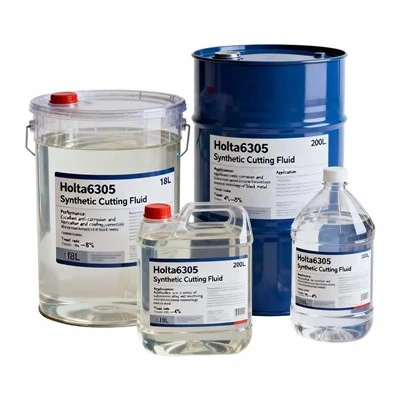
First, it starts with the base oil. Most people don’t realize that not all base oils are created equal, and this is the single biggest factor in thermal stability. Group I base oils, the traditional solvent-refined ones, work fine for low-stress applications like light-duty hydraulics or slow conveyor systems that stay cool. But when you’re dealing with operating temperatures over 140°C—common in metal processing, power generation, or heavy construction equipment—Group I oils start to oxidize quickly. The aromatic compounds that give them some natural lubricity also make them prone to breaking down when exposed to heat and oxygen. That’s why I always advise customers in high-heat environments to step up to Group II, III, or even synthetic base oils. Group II is hydroprocessed, which removes impurities like sulfur and nitrogen that trigger oxidation, giving it much better thermal resistance. Group III is even more refined, with nearly 99% saturated hydrocarbons, so it stands up to heat far longer than Group II. Synthetic base oils like PAOs (polyalphaolefins) or esters take this a step further. PAOs have a uniform molecular structure, so they don’t break down at the same temperatures as mineral oils, and esters have excellent thermal stability and even help dissolve any varnish or sludge that does form, reducing buildup. A few years back, I worked with a large textile plant that was using Group I oil in their dyeing line’s roller bearings, which ran at 160°C. They were changing oil every three months, and still had frequent bearing failures. We switched them to a Group III synthetic gear oil, and their oil change interval jumped to 18 months, with zero bearing failures in two years. That’s the kind of return on investment that makes this step worth every penny, even if synthetic oils have a higher upfront cost.
Next, the additives you blend into the oil matter just as much as the base oil. Additives are the unsung heroes of lubricant performance, and the right package can double thermal stability. The key here is choosing a balanced set of anti-oxidant additives, not just the cheapest ones. There are two main types of anti-oxidants: primary and secondary. Primary anti-oxidants, like phenolics or amines, neutralize the free radicals that form when oil oxidizes, stopping the breakdown process before it starts. Secondary anti-oxidants, like zinc dithiophosphate (ZDDP) or sulfur-phosphorus compounds, decompose the peroxides that form during oxidation, preventing them from turning into sludge or varnish. The trick is getting the ratio right. Too much primary anti-oxidant can actually accelerate oxidation in some cases, and too little secondary means you’ll still see buildup over time. I recently worked with a concrete mixer fleet that was using a generic lubricant with a cheap, unbalanced additive package. Their gearboxes were developing varnish on the internals after six months, leading to increased friction and higher fuel use. We helped them switch to a lubricant with a balanced blend of hindered phenol anti-oxidants and a moderate dose of ZDDP, tailored for their 120°C average operating temperature. Within a year, their varnish formation dropped by 85%, and their fuel efficiency improved by 7% because the oil maintained its correct viscosity longer. It’s also critical to avoid over-additizing. Some customers think adding extra anti-oxidant will make the oil last longer, but too many additives can react with each other, forming harmful deposits that damage equipment. It’s a delicate balance, and that’s why working with a supplier who can customize additive packages for your specific application is so important.
Then there’s the role of filtration and contamination control, which is often overlooked when people talk about thermal stability. Contaminants like water, dirt, and metal particles don’t just damage equipment—they speed up oil oxidation. Water, for example, acts as a catalyst for oxidation, and high moisture levels can break down additive packages, making them less effective at resisting heat. Dirt and metal particles create friction, which generates more heat, in turn speeding up oil breakdown. I once visited a food processing plant that had a hydraulic system with 1,200 ppm of water in the oil—way above the recommended 500 ppm limit. The oil was turning acidic, and the system was struggling to maintain pressure. We installed a high-efficiency vacuum dehydrator to remove the excess water, upgraded their 10-micron filters to 3-micron absolute filters to catch dirt and metal particles, and worked with their maintenance team to set up a weekly oil sample testing schedule. Within three months, water levels dropped to 200 ppm, oil acidity stabilized, and their system downtime from hydraulic failures fell by 60%. Regular filtration isn’t just about keeping the oil clean—it’s about protecting its thermal stability. I always recommend combining offline filtration systems for large equipment with inline filters that catch contaminants as they circulate, especially for systems running at high temperatures. It’s a small investment that pays off big in oil life and equipment protection.
Temperature monitoring and control are also non-negotiable. Even the best oil in the world will break down faster if it’s operating at temperatures 10 or 15°C above its designed limit. Most industrial equipment is engineered to run at an optimum temperature range—usually between 40°C and 80°C for most gearboxes and hydraulics. When temperatures spike above 90°C, oxidation rates double every 10°C, according to industry data. That means an oil designed to last 10,000 hours at 80°C will only last 5,000 hours at 90°C. I saw this first-hand with a group of mining haul trucks that were idling for hours at a time during the summer, with their engines running at high temperatures while waiting in line at the mine site. The engine lubricants were oxidizing twice as fast as expected, leading to more frequent oil changes and increased engine wear. We worked with the maintenance team to install auxiliary cooling systems for the trucks’ engines, adjust idling protocols to turn off engines after 10 minutes when not in use, and add temperature sensors to alert operators when engines were overheating. After implementing these changes, the oil change interval for the trucks extended from 5,000 hours to 8,000 hours, and engine failure rates dropped by 40%. You don’t need to overhaul your entire equipment to control temperature—small changes like improving ventilation, upgrading cooling fans, or adjusting operating protocols can make a huge difference. It’s also important to avoid overloading equipment, which causes higher operating temperatures and puts extra stress on the oil.
Proper maintenance and oil analysis are the final pieces of the puzzle. Many customers only check their oil when it’s time to change it, but regular oil analysis is the only way to catch early signs of oxidation before they cause damage. A standard oil test measures viscosity, acidity (TAN, or Total Acid Number), water content, and particulate count—all key indicators of thermal stability. If the TAN starts rising steadily, that’s a sign the oil is oxidizing, and you can address it before sludge or varnish forms. I always tell customers to test their oil every 200 to 500 operating hours, depending on the application, and to track trends over time, not just look at individual numbers. For example, a single TAN reading might be slightly high, but if it’s been increasing by 0.1 every 100 hours, that’s a red flag that your oil’s thermal stability is degrading, and you need to adjust your maintenance or oil choice rather than waiting until it’s at the maximum limit.
I also can’t stress enough the importance of choosing the right oil for your specific application, not just a one-size-fits-all product. A lubricant that works for a low-temperature hydraulics system will fail in a high-heat gearbox, and vice versa. That’s why I take the time to talk to each customer about their equipment, operating temperatures, load levels, and maintenance budget, rather than just pushing the most expensive synthetic oil on the market. For example, a wind turbine gearbox that runs at 70°C average temperature might do well with a Group II oil, while a steel mill rolling mill that runs at 150°C needs a Group III or synthetic ester. The right match ensures you’re getting the best thermal stability without overspending.

At the end of the day, improving the thermal stability of industrial lubricating oil isn’t about a single big change—it’s about a combination of choosing the right base oil, balanced additives, keeping contaminants out, controlling operating temperatures, and staying on top of maintenance. I’ve helped dozens of customers cut their oil-related downtime by 50% or more by focusing on these steps, and I’m confident I can help your team too. If you’re tired of unplanned shutdowns, frequent oil changes, or equipment damage caused by unstable lubricants, let’s connect to discuss your specific application and find the right solution. Our team of lubrication experts has decades of experience working with industrial facilities across every sector, and we’ll work with you to create a customized plan that fits your needs and budget.
Hydraulic Oil References
- Rudnick, L. R. (2009). Synthetics, mineral oils, and bio-based lubricants: Chemistry and technology. CRC Press.
- American Society for Testing and Materials (ASTM). (2020). Standard Test Method for Oxidation Stability of Lubricating Oils by the Rotary Bomb Oxidation Test (RBOT). ASTM D2272-20.
- Heyward, I. (2017). Industrial lubrication handbook: A practical guide to reducing costs and improving equipment reliability. Taylor & Francis.
- Society of Tribologists and Lubrication Engineers (STLE). (2021). Lubricant Contamination Control Handbook, 3rd Edition. STLE.
MoGen Lubricating Oils
With abundant experience, we are one of the most professional industrial lubricating oil manufacturers and suppliers in China. We warmly welcome you to wholesale custom made industrial lubricating oil from our factory. If you have any enquiry about cooperation, please feel free to email us.
Address: No.8003 Chewang Rd, Economic Development Zone Of Jinan, Shandong Province, China 250301
E-mail: sales@mogenoils.com
WebSite: https://www.mogen-oil.com/
