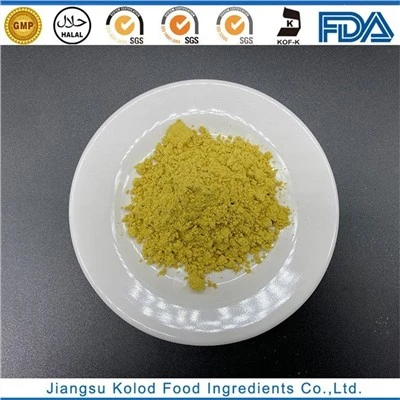
Potassium carbonate, a versatile inorganic compound with the chemical formula K₂CO₃, has long been a cornerstone in various industrial applications, and the ceramic industry is no exception. As a proud supplier of high – quality potassium carbonate, I’ve witnessed firsthand its transformative impact on ceramic manufacturing processes and the final products. In this blog, I’ll delve into the diverse applications of potassium carbonate in the ceramic industry, highlighting its significance and benefits. Potassium Carbonate
Fluxing Agent
One of the primary applications of potassium carbonate in the ceramic industry is as a fluxing agent. In ceramic production, fluxes play a crucial role in lowering the melting point of the raw materials, which in turn reduces the energy required for firing. Potassium carbonate is particularly effective in this regard.
During the firing process, the ceramic body must undergo a series of physical and chemical transformations. Without a flux, these transformations often occur at extremely high temperatures, consuming large amounts of energy and increasing production costs. Potassium carbonate acts as an aid, facilitating the melting and vitrification of the ceramic materials at lower temperatures.
When potassium carbonate is added to ceramic glazes or bodies, it dissociates into potassium ions and carbonate ions at high temperatures. The potassium ions can diffuse into the crystal lattice of the ceramic minerals, disrupting their structure and promoting a more fluid melt. This fluidity allows for better mixing of the different components in the ceramic batch, resulting in a more homogeneous final product.
In addition, the use of potassium carbonate as a flux can also improve the firing range of ceramics. A wider firing range means that the potter or manufacturer has more flexibility when setting the firing conditions, reducing the risk of under – or over – fired ceramics. This is particularly important for large – scale production where consistent quality is essential.
pH Regulator
Another significant application of potassium carbonate in the ceramic industry is its use as a pH regulator. In the preparation of ceramic slurries, which are used for processes such as slip casting, the pH of the slurry can have a profound impact on its rheological properties.
A well – regulated pH is crucial for achieving the desired viscosity and stability of the ceramic slurry. If the pH is too low or too high, the slurry may become too thick or too thin, leading to problems during casting, such as uneven distribution of the ceramic material or the formation of cracks.
Potassium carbonate can be added to the ceramic slurry to adjust its pH. It is a mild base, which means it can neutralize acidic components in the slurry and raise the pH to an optimal level. By maintaining the proper pH, the potassium carbonate helps to ensure that the slurry has the right consistency for casting. This results in ceramic products with a smooth surface, uniform wall thickness, and fewer defects.
Moreover, the use of potassium carbonate as a pH regulator can also improve the dispersion of the ceramic particles in the slurry. At the right pH, the surface charge of the ceramic particles is optimized, preventing them from agglomerating. This leads to a more stable and homogeneous slurry, which is essential for high – quality ceramic production.
Deflocculant
Potassium carbonate also serves as an effective deflocculant in the ceramic industry. In ceramic slurries, the particles tend to clump together due to electrostatic forces, a phenomenon known as flocculation. Flocculated slurries have poor flow properties and can cause problems during casting and forming processes.
As a deflocculant, potassium carbonate helps to break up these flocs and disperse the ceramic particles evenly throughout the slurry. When added to the slurry, the potassium carbonate dissociates into ions. The carbonate ions can adsorb onto the surface of the ceramic particles, changing their surface charge. This change in surface charge reduces the electrostatic attraction between the particles, causing them to repel each other and remain dispersed.
The use of potassium carbonate as a deflocculant offers several benefits. Firstly, it improves the fluidity of the ceramic slurry, making it easier to pour and cast into molds. This results in a more efficient production process and reduces the risk of defects in the final product. Secondly, a well – dispersed slurry allows for better packing of the ceramic particles during drying and firing, leading to a denser and stronger ceramic body.
Glaze Component
Potassium carbonate is an important component in ceramic glazes. Glazes are used to coat the surface of ceramic products, providing a decorative finish, improving the durability of the product, and enhancing its resistance to moisture and chemicals.
When used in glazes, potassium carbonate contributes to the formation of a smooth and glossy surface. It helps to dissolve other components in the glaze, such as silica and alumina, at lower temperatures, promoting the formation of a homogeneous glassy phase during firing. The potassium ions in the potassium carbonate also play a role in modifying the refractive index of the glaze, which can affect the appearance of the final product.
In addition, potassium carbonate can influence the color development of the glaze. Different transition metal oxides are often added to glazes to produce various colors. The presence of potassium carbonate can affect the oxidation state of these transition metal ions, leading to changes in color. For example, in some cases, potassium carbonate can enhance the intensity and brightness of the colors in the glaze, resulting in more vibrant and attractive ceramic products.
Improving Thermal Shock Resistance
Thermal shock resistance is an important property for many ceramic products, especially those that are exposed to rapid temperature changes, such as cooking utensils and industrial ceramics. Potassium carbonate can contribute to improving the thermal shock resistance of ceramics.
During the firing process, the addition of potassium carbonate helps to create a more uniform crystal structure within the ceramic body. This uniformity reduces the internal stresses that can develop when the ceramic is subjected to temperature changes. When the ceramic is heated or cooled rapidly, a more uniform structure is better able to withstand the thermal expansion and contraction without cracking.
Moreover, the use of potassium carbonate in glazes can also play a role in improving thermal shock resistance. A well – formulated glaze with potassium carbonate can have a coefficient of thermal expansion that is more closely matched to that of the ceramic body. This reduces the stress at the interface between the glaze and the body, further enhancing the overall thermal shock resistance of the ceramic product.
Conclusion
As demonstrated above, potassium carbonate has a wide range of applications in the ceramic industry, from being a fluxing agent and pH regulator to a deflocculant and glaze component. Its contributions to lowering firing temperatures, improving product quality, and enhancing the efficiency of the production process are invaluable.
Potassium Oxalate If you’re involved in the ceramic industry and are looking for a reliable source of high – quality potassium carbonate, I invite you to reach out to me for a detailed discussion about your specific needs. Our company is committed to providing the best potassium carbonate products that meet the strictest quality standards, ensuring your ceramic manufacturing processes are both efficient and successful.
References
- Kingery, W. D., Bowen, H. K., & Uhlmann, D. R. (1976). Introduction to Ceramics. Wiley.
- Bray, P. J., & O’Keefe, M. (1990). The Physics and Chemistry of Glasses. Taylor & Francis.
- McColm, I. J. (1990). An Introduction to Ceramics. Chapman and Hall.
Jiangsu Kolod Food Ingredients Co., Ltd.
As one of the most professional potassium carbonate manufacturers and suppliers in China, we’re featured by quality products and good price. Please rest assured to wholesale bulk potassium carbonate made in China here and get free sample from our factory. Customized orders are welcome.
Address: South Side of Weier Road, Guanyun Development Zone, Lianyungang City, Jiangsu Province, China
E-mail: sales1399@jskolod.com
WebSite: https://www.kolod-group.com/
