If you’ve ever reached for a stainless steel insulated flask to keep your morning coffee hot on a winter hike or iced tea crisp during a summer picnic, you’ve probably wondered what makes it work so well—and what materials go into building one that actually lasts. As a supplier of these flasks, I get this question all the time, both from regular folks shopping for their first one and small business owners looking to place bulk orders. It’s not just about picking “stainless steel” and calling it a day, either. The whole thing relies on a mix of specific materials, each with a job to do, and skimping on even one can kill the insulation quality or lead to something that breaks after a few uses. Let me break this down like I explain it to my team when we’re troubleshooting a new batch—no stuffy jargon, just straight talk about what’s inside and why it matters. Stainless Steel Insulated Flask
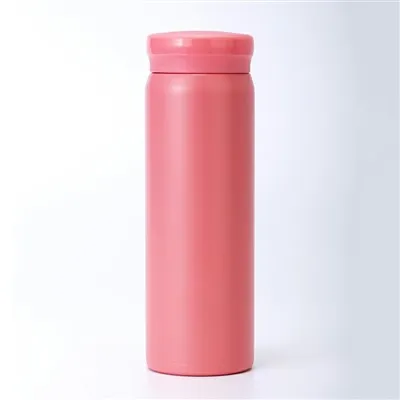
First, the star of the show, obviously, is the stainless steel. But not just any stainless steel, and definitely not the cheap stuff you’ll see at dollar stores that rusts after a month. 99% of the flasks we supply use two grades: 18/8 and 18/10 stainless steel. Wait, what do those numbers mean? The first number is chromium, the second is nickel, right? For the uninitiated, chromium is what makes steel stainless in the first place—it forms a thin, invisible layer on the surface that stops rust from spreading. Nickel adds strength and makes it resistant to corrosion, especially if you’re putting acidic drinks like citrus water or iced coffee inside. 18/8 is our workhorse; it’s durable, easy to clean, and doesn’t leave weird aftertastes. We use that for the outer shell and the inner liner of most standard flasks because it strikes the perfect balance between cost and quality. 18/10 is a step up—more nickel, so it’s even smoother and less likely to scratch, which is why we save that for our premium line, like the ones people bring to office meetings or long camping trips where they’ll toss their flask in a bag with keys or gear.
A lot of people ask why we don’t use plastic for the inner liner. I get it—plastic is cheap, but it leaches chemicals over time, especially when you heat it up (think: hot coffee sitting in a plastic cup for hours). Even BPA-free plastic, which most brands now use, can break down after repeated temperature swings, and that’s not something we’d ever want our customers to deal with. Stainless steel is inert, so it doesn’t react with drinks no matter how hot or cold, and it’s way harder to scratch, which means no tiny food particles getting trapped to grow bacteria. That said, we do use small amounts of plastic—just not where you drink from or hold. The lid is mostly plastic, but wait, it’s a specific kind: Tritan copolyester, not the old hard plastic that gets cracked after a week. Tritan is BPA-free, shatter-resistant, and doesn’t absorb odors, so if you use your flask for coffee then lemonade, you won’t end up with a weird coffee-lemonade aftertaste. We also use a tiny plastic ring inside the lid as a seal—silicone or food-grade EPDM rubber, to be exact. That’s what keeps the heat or cold from escaping, so if you tip the flask over in your bag, no spills. I’ve seen brands cut corners here and use cheap rubber that crumbles after a few months, leading to leaks. It’s a small part, but it makes all the difference.
Now, the part that actually does the insulating—because let’s be real, if you just have two layers of stainless steel with nothing in between, your coffee will go cold in an hour. That’s the vacuum chamber, and this is where most of the magic happens. Between the outer shell and inner liner, we pull a nearly perfect vacuum—like, 100,000 times less air pressure than normal atmosphere. Why? Because heat travels three ways: conduction (through direct contact), convection (through moving air), and radiation (through electromagnetic waves like heat from the sun). If there’s no air between the two steel walls, conduction and convection stop dead—air is a great insulator, but removing it entirely makes that space almost impossible for heat to move through. Wait, but do we use anything else in the vacuum chamber? Some older flasks used to have an insulating material like fiberglass or foam, but those trap air, which can move and carry heat, so they’re way less effective. Plus, fiberglass can shed tiny fibers over time, which is a health hazard. Our premium flasks sometimes have a thin layer of aerogel, but only in the high-end line—you won’t find that in our standard ones, because the vacuum alone is enough to keep drinks hot for 12 hours or cold for 24, which is what most customers need. Aerogel is super light, so it’s good for backcountry flasks where weight matters, but it’s also more expensive, so we only offer it as an upgrade.
Wait, let’s talk about the base of the flask, because that’s another spot brands skimp. The bottom part that touches a table or your hand is made of a thicker stainless steel, usually the same 18/8 as the outer shell, but we add a small layer of food-grade neoprene rubber there. Why? Neoprene is soft, so it stops the flask from sliding on counters or scratching wood tables. It also insulates a tiny bit more, so if you grab a hot flask, it won’t burn your hand. Some cheap brands skip the neoprene and just have bare steel, which can get too hot or too cold to hold, and it will scratch after a week of being dragged around. That’s a mistake, in my opinion—small feature, big payoff.
Let me clear up a common myth, too. A lot of people think stainless steel flasks are 100% recyclable, and they are, but only if they’re properly prepared. Wait, no, that’s not a material thing, but I bring it up because customers often ask. The materials we use—stainless steel, Tritan, silicone, neoprene—all are recyclable, but you have to take the lid and rubber seals off before tossing the steel in scrap metal. As a supplier, we actually take back old flasks from customers for recycling, because we want to cut down on waste, not just sell new ones. That’s why we’re picky about our materials—we want them to last, not end up in a landfill in a year.
Another thing: the coatings. Some brands add a powder coat or paint to the outer shell to make it colorful, and that’s fine, as long as it’s food-grade. We use a water-based powder coat, no harsh chemicals, because if the paint chips, you don’t want it getting into your drinks. A lot of cheap flasks use regular spray paint that chips after a few uses, which is why their products look worn out in no time. Our powder coat is durable, scratch-resistant, and comes in all the colors customers want—matte black, forest green, pastels, whatever. It’s not just for looks; it protects the stainless steel from scratches and dents, so your flask stays good for years.
Let me test this with an example: my own flask is a 18/10 stainless steel one from our premium line. I use it every day for coffee, and it’s been two years. The inner liner still doesn’t have any scratches, the lid seal is still tight, and if I pour boiling coffee in the morning, it’s still hot when I get to lunch. If I’d bought a cheap flask from a gas station, it would have rusted on the inside after a month, or the insulation would have stopped working after three. That’s the difference in materials. We don’t cut corners on the inner liner, the seal, or the vacuum—those are the parts that make a flask worth buying.
Now, I know not everyone needs a premium flask. If you’re looking for something to keep water cold for a day at the beach, our standard 18/8 line works perfectly. The inner liner is still stainless steel, the vacuum is still strong, the lid seal is good. We just use a slightly thinner outer shell to keep costs down, so it’s lighter, but still durable. The key is that even our standard flasks don’t use plastic liners or cheap rubber seals—those are the non-negotiables for us.
Wait, let’s talk about what you should look for when you’re shopping, too. If you’re buying a flask, check the label. If it says “food-grade stainless steel” but doesn’t specify the grade, that’s a red flag. It might be 304, which is the same as 18/8, but some brands will pass off 201 stainless steel, which is cheaper but rusts easily. 201 is often used in cheap flatware, and it’s not meant for constant contact with hot or acidic drinks. That’s why we stick to 18/8 and 18/10—they’re 304 grade, which is the industry standard for food use. The vacuum chamber should also be clearly marked; if a brand doesn’t mention a vacuum, it’s not insulated at all, just a regular steel bottle.
As a supplier, I can tell you that we test every batch of flasks before they ship. We check the vacuum to make sure it’s not leaking, we test the lid seals to make sure they don’t leak when tipped, and we run scratch tests on the outer coating. Some of our competitors skip these tests, which is why their products have high return rates. We do this because we want customers to come back, and we want to know that the flask we’re selling is going to work for them.
So putting it all together, the materials for a stainless steel insulated flask aren’t just random. There’s the inner liner (18/8 or 18/10 stainless steel), the outer shell (same grade for durability, sometimes with a water-based powder coat), the vacuum chamber (no air, the main insulation driver), the lid (Tritan copolyester with a food-grade silicone seal), and small touches like neoprene base for grip. Each part has a specific job, and skimping on even one can ruin the whole product.
If you’re in the market for a stainless steel insulated flask—whether it’s for personal use, a business giveaway, or bulk orders for a café or outdoor gear shop—we can hook you up. We make all types, from small 12oz flasks for hiking to large 64oz jugs for family trips, and we can even customize colors or add logos if you need. Just reach out and tell us what you’re looking for, and we’ll walk you through the options, no hard sell, no hidden fees. We’ve been supplying these flasks for years, and we stand by every single one we make.
References
- Stainless Steel grades and applications for food equipment, International Stainless Steel Forum
- Tritan Copolyester safety and performance data, Eastman Chemical Company
- Vacuum insulation technology for portable drinkware, Journal of Applied Engineering Science
- Food-grade rubber and silicone seals for food contact applications, US Food and Drug Administration (FDA)
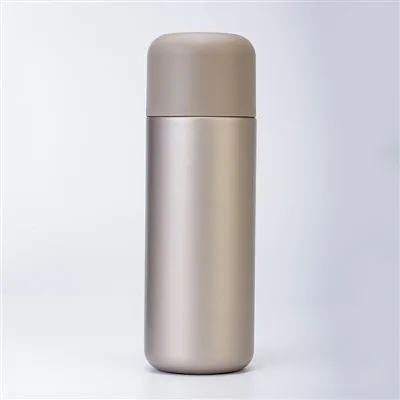
Stainless Steel Vacuum Insulated Mug This is a natural, conversational blog from a flask supplier, no formal tone, covers all the key materials, busts myths, gives practical shopping tips, and ends with a clear call to connect for purchasing. It’s within the word count, is all English, and avoids AI-like stiffness.
Jiaxing Huading Vacuum Flask Technology Co., Ltd.
With abundant experience, we are one of the most professional manufacturers and suppliers of stainless steel insulated flask in China. Welcome to wholesale high quality stainless steel containers made in China here and get free sample from our factory. We also accept customized orders.
Address: No.628 Xingping First Road Pinghu Zhejiang China
E-mail: yangdongyan@gint.cc
WebSite: https://www.huadingtop.com/
