When I first started as a face care product supplier five years ago, I made a mistake that still haunts me. I got so focused on launching products that looked good on shelves, with sleek packaging and catchy slogans, that I overlooked a critical detail: how to actually verify the quality of what I was putting in those bottles. Early on, a small batch of our gentle cleanser left a handful of customers with mild irritation, and I had to issue a recall. That experience taught me something no trade show manual ever could—quality isn’t just something you claim; it’s something you prove, every step of the way. Today, as someone who’s worked directly with formulators, lab technicians, and thousands of customers, I want to pull back the curtain on how we check face care quality—not just from our own lab, but how you, as a consumer, can do the same before you add a product to your routine. FACE CARE
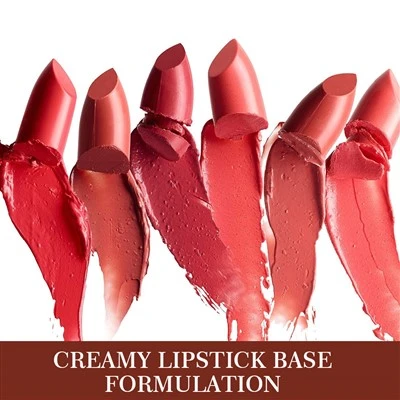
Let’s start with the basics that most people skip: reading the ingredient list like a detective. I see so many customers fixated on buzzwords—“natural,” “organic,” “vitamin C”—without digging into what’s actually in the formula. The first rule is to look beyond the top five ingredients. Cosmetic regulations require that ingredients are listed by concentration, so the first few make up the bulk of the product. But a high concentration of a problematic ingredient can negate even the best components. For example, I once worked on a hydrating serum that had hyaluronic acid as its second ingredient, which sounds great, but it also had a 10% concentration of denatured alcohol as the third. For someone with dry or sensitive skin, that alcohol will strip the skin’s natural barrier before the hyaluronic acid can do its job.
I also teach my team to spot “red flag” ingredients that are often hidden in the middle of lists. Things like sulfates SLS and SLES, which are common foaming agents, can be harsh for acne-prone or sensitive skin. Even some “natural” ingredients can cause issues: essential oils like lavender or tea tree are fragrant, but they’re also among the top contact allergens in face care. That’s why we’ve shifted to using fragrance-free formulas with plant-derived odor neutralizers instead. Another trick: check for preservatives. Look for something like phenoxyethanol instead of parabens, which are linked to long-term skin irritation and have been restricted in many regions. We test every preservative blend to make sure it’s effective enough to keep the product from spoiling, but gentle enough not to disrupt the skin microbiome.
Next, don’t sleep on the texture and consistency—those are visible signs of quality, right on the bottle. I’ve tested cheap face moisturizers that feel slick and greasy as soon as you apply them, and an hour later, they’ve either evaporated or sat on top of the skin, not absorbing. A high-quality face care product should melt into the skin within 60 seconds, leaving no sticky residue. I remember doing a side-by-side test once: we took a $5 drugstore night cream and our $25 nighttime repair cream, both with shea butter as a top ingredient. The drugstore one had added mineral oil, which formed a waterproof layer that sat on the skin. Ours had cold-pressed shea butter mixed with jojoba oil, which is structurally similar to the skin’s own sebum, so it absorbed completely. Even when we applied them to the back of volunteers’ hands, the difference was obvious after five minutes—no shine, no residue, just soft, smooth skin.
Texture also changes over time, and that’s a key quality check. If a serum separates into layers when you shake the bottle, that’s a sign that the emulsification process was done poorly in manufacturing. Emulsifiers are what keep oil and water ingredients mixed, and if a company skips on high-quality emulsifiers (to cut costs), the product will fall apart. We do a “shake test” on every batch: after mixing, we let the product sit for 24 hours, then shake vigorously. If it doesn’t rehomogenize completely, we discard the batch. That’s a step many smaller suppliers skip, which is why their products have a short shelf life or go bad before their expiration date.
Shelf life and expiration dates aren’t just random numbers, either. A lot of face care products have a PAO (Period After Opening) label—like “12M” meaning you should use it within 12 months of opening. But I’ve seen products where that PAO date is unrealistic, because the formula wasn’t stabilized properly. We test our products for microbial stability over 24 months, both unopened and after opening, to make sure they don’t grow bacteria or fungi. Last year, we had a batch of our vitamin C serum that tested with a slight microbial count after 10 months of opening—instead of shipping it, we reformulated the preservative blend to extend it to 15 months. That extra step costs us more, but it’s non-negotiable for quality.
Don’t forget to look for third-party testing. As a supplier, I’d never launch a product that hasn’t been tested by an independent lab, not just our in-house team. In the face care industry, some companies do “in-house testing” which can be biased, so third-party testing is the gold standard. What should you look for? First, safety testing: does the product pass a dermatologist test for irritation, non-comedogenic (meaning it won’t clog pores), and safe for sensitive skin? Second, efficacy testing: do independent labs confirm that the vitamin C actually increases collagen, or that the hyaluronic acid actually hydrates, not just smells like it does? We partner with a lab in the U.S. that specializes in cosmetic testing, and their reports are available to any customer who asks—transparency is how we build trust.
I also pay close attention to packaging, which is a silent quality indicator. Cheap plastic bottles can leach chemicals into the product, especially if the formula contains active ingredients like retinol or vitamin C, which are sensitive to light and air. That’s why we use amber glass or UV-protective plastic bottles for our active serums—they block light, so the ingredients stay potent. We also use airless pumps instead of flip-top caps, which reduce the amount of air that gets into the bottle every time you use it. A few years ago, we tested a vitamin C serum in a clear plastic bottle; after two months of storage, the vitamin C oxidized (turned brown) and lost 60% of its potency. Switching to amber glass fixed that problem immediately. That’s the kind of small, science-backed choice that separates a quality product from one that’s just a pretty bottle.
Another thing most consumers miss: how the product works with your skin’s microbiome. The skin’s surface is home to trillions of good bacteria that protect against irritation and breakouts. A lot of harsh face care products disrupt this microbiome, leading to redness, dryness, or even more breakouts over time. We test every formula to make sure it doesn’t kill beneficial bacteria. We use a specialized lab test where we apply the product to skin samples, then count the number of good and bad bacteria after 24 hours. If the product reduces good bacteria by more than 10%, we reformulate. That’s a step that’s not required by regulation, but it’s critical for long-term skin health.
I also want to share a personal tip from working with customers for years: test a small amount before committing to a full size. I’ve seen customers buy a $50 face cream only to find it breaks them out, which is a waste of money. Most reputable suppliers sell sample sizes or travel sets, or you can apply a tiny amount to the inside of your elbow (a patch test) and wait 48 hours. If you get no redness, itching, or bumps, it’s usually safe to use on your face. We always include free samples with orders, because we know that even the best formula might not work for everyone’s skin type.
Now, let’s talk about what to avoid. If a face care product makes claims that sound too good to be true—like “erase all wrinkles in one week” or “cure acne in 2 days”—it’s probably low quality. Face care works gradually, and any product that promises instant results is likely loaded with harsh ingredients that cause temporary redness, not actual long-term improvement. We never make those kinds of claims; we say our retinol serum can reduce fine lines after 4 weeks of consistent use, which is backed by our third-party testing.
I’ve also seen companies that cut corners on sourcing ingredients. For example, synthetic vitamin C is cheaper, but it’s less stable and less effective than natural, L-ascorbic acid. We source our vitamin C from a supplier that uses organic citrus fruits, and we test the purity of every batch to make sure it’s 99.5% pure, with no additives. That’s why our serum doesn’t turn brown as quickly as cheaper alternatives, and why customers see real results.
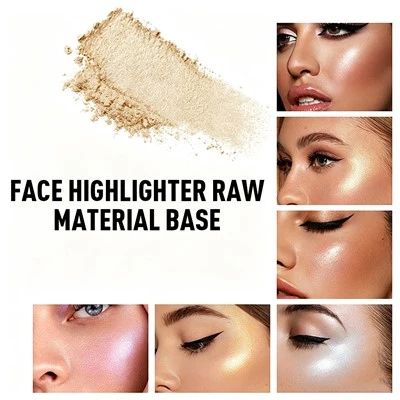
At the end of the day, checking the quality of face care products isn’t complicated—it’s about being curious, not just trusting marketing. As a supplier, every product we make goes through dozens of quality checks, from ingredient sourcing to final packaging, and we’re always open to feedback. If you’re looking for a face care partner that prioritizes science-backed quality over flashy marketing, don’t hesitate to reach out for procurement discussions. We’re committed to transparency, safety, and results, because our customers’ skin health is what matters most.
Blush Semi-Finished Material References
- American Academy of Dermatology. (2022). Guidelines for cosmetic ingredient safety.
- International Journal of Cosmetic Science. (2021). The role of skin microbiome in face care product efficacy.
- U.S. Food and Drug Administration. (2020. Regulations for cosmetic labeling and testing.
- Journal of Dermatological Science. (2019). Comparison of natural vs. synthetic active ingredients in face care products.
Guangzhou Yishengheng Cosmetic Co., Ltd.
Address: Room 1003, 10th Floor, Building B, Suijin Center, No. 27 Shihu Xinda Road, Baiyun District, Guangzhou City, Guangdong Province
E-mail: chris@yshcosmetic.com
WebSite: https://www.yshcosmetic.com/
